The Backbone of Your Broadcast, Production & Post-Production Workflow: openGear Infrastructure
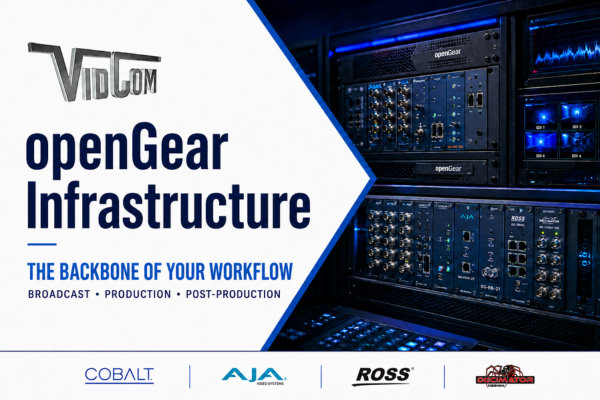
Behind every successful broadcast, live production and post-production environment is a reliable infrastructure that keeps video, audio and data signals moving efficiently.
openGear® infrastructure provides a flexible, modular approach to signal processing, allowing organizations to combine cards from multiple manufacturers within a standardized frame. From signal conversion and distribution to audio processing, fibre transport, monitoring and synchronization, openGear helps production teams build dependable infrastructure around their specific workflow requirements.
As a trusted Canadian broadcast and professional video systems integrator, VidCom works with leading openGear manufacturers, including Cobalt Digital, AJA Video Systems, Ross Video and Decimator Design. Our team can help you select, configure and integrate the right combination of openGear products for your facility, production environment and budget.
What Is openGear Infrastructure?
openGear is an open-architecture, modular signal-processing platform developed for broadcast, production, live event and professional video environments.
An openGear system typically consists of a rack-mounted frame that provides power, cooling, network connectivity and management for a collection of modular processing cards. Each card performs one or more specific functions within the workflow, such as converting signals, distributing video, embedding audio or transporting content over fibre.
Because openGear is an open platform, compatible cards from different manufacturers can operate within the same frame. This gives users greater freedom to select the products that best meet their technical, operational and budget requirements without being restricted to one manufacturer’s product ecosystem.
openGear systems can support a wide variety of applications, including:
- – Video and audio distribution
- – SDI and HDMI conversion
- – Up, down and cross conversion
- – Frame synchronization
- – Audio embedding and de-embedding
- – Colour and HDR processing
- – Fibre-optic signal transport
- – Multiviewing and monitoring
- – Signal redundancy and automatic failover
- – IP video encoding, decoding and transport
- – 12G-SDI and UHD workflows
The result is a centralized and scalable infrastructure that can replace numerous standalone converters and processors while simplifying installation, power requirements and ongoing system management.
Easier Expansion and Upgrades
An openGear system can grow as production requirements change. Additional cards can be installed in available frame slots, while existing cards can be replaced or upgraded when new functionality is required.
This modular approach can make it easier to introduce 12G-SDI, UHD, HDR, fibre, IP and remote-production capabilities without rebuilding the entire infrastructure.
Reliability for Critical Workflows
openGear frames are designed for demanding professional environments where reliability is essential. Depending on the selected frame and configuration, systems can offer redundant power, advanced cooling, hot-swappable components, remote monitoring and card-setting backup.
These capabilities are particularly valuable in television stations, control rooms, production trucks, live event facilities and other environments where signal interruptions can have an immediate operational impact.
Why Do Manufacturers Offer openGear Cards?
Manufacturers offer openGear cards because the platform provides a standardized way to integrate specialized technologies into larger broadcast and production systems.
Instead of requiring customers to purchase a separate chassis or standalone device for every function, manufacturers can concentrate on developing cards that perform specific signal-processing tasks. Customers benefit from broader product choice, while manufacturers can make their technology available within an established and widely adopted infrastructure platform.
This collaborative ecosystem allows facilities to combine specialized products while maintaining a consistent frame format and centralized control environment.
Featured openGear Infrastructure Manufacturers
VidCom works with several leading manufacturers to design openGear systems for Canadian broadcast, production and post-production customers.
Ross Video openGear Infrastructure
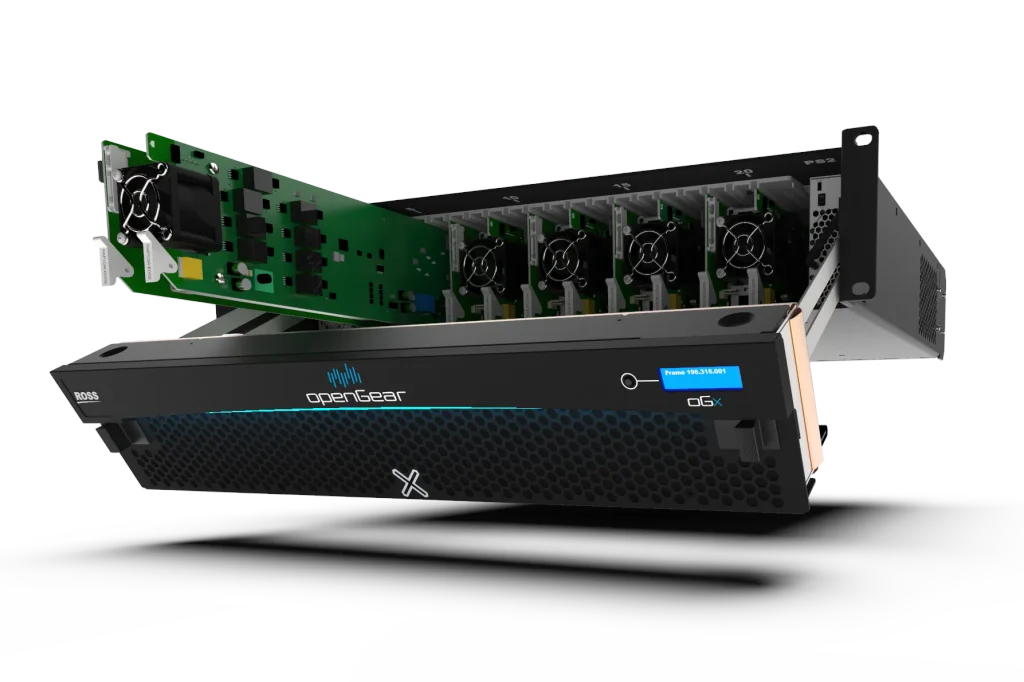
Ross Video introduced openGear in 2006 as an open-architecture platform for modular broadcast signal processing. The ecosystem has since expanded to include cards and solutions from many participating manufacturers.
Ross offers openGear frames, networking and control options, as well as an extensive selection of modular cards for distribution, conversion, synchronization, audio processing, master control, branding, data applications and signal transport.
Ross openGear systems are unified through DashBoard, which provides centralized setup, monitoring and management across compatible products. The platform supports traditional and emerging workflow requirements, including HDR, 12G-SDI, UHD, IP and remote production.
The Ross oGx frame is designed for continuous professional operation, with features such as redundant power and cooling, front-loading modules and a passive backplane contributing to system reliability and serviceability.
Cobalt Digital openGear Solutions
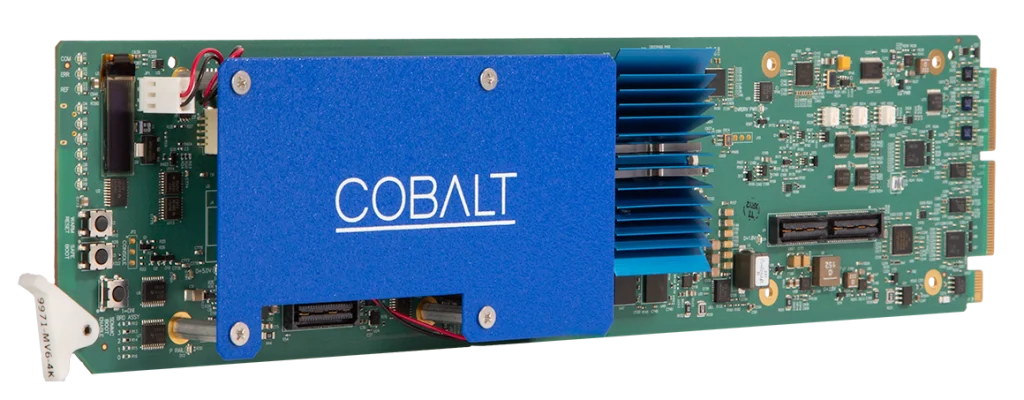
Cobalt Digital is a founding partner of the openGear platform and offers an extensive selection of modular signal-processing cards.
Its openGear portfolio supports applications such as audio processing, signal conversion, distribution, embedding and de-embedding, fibre transport, frame synchronization, HDR processing, multiviewing, routing, encoding and decoding.
Cobalt’s broad product range allows system designers to address multiple workflow requirements within a standardized openGear environment. Available solutions support traditional SDI infrastructure as well as 12G-SDI, UHD, IP and advanced audio workflows.
AJA Video Systems openGear Solutions
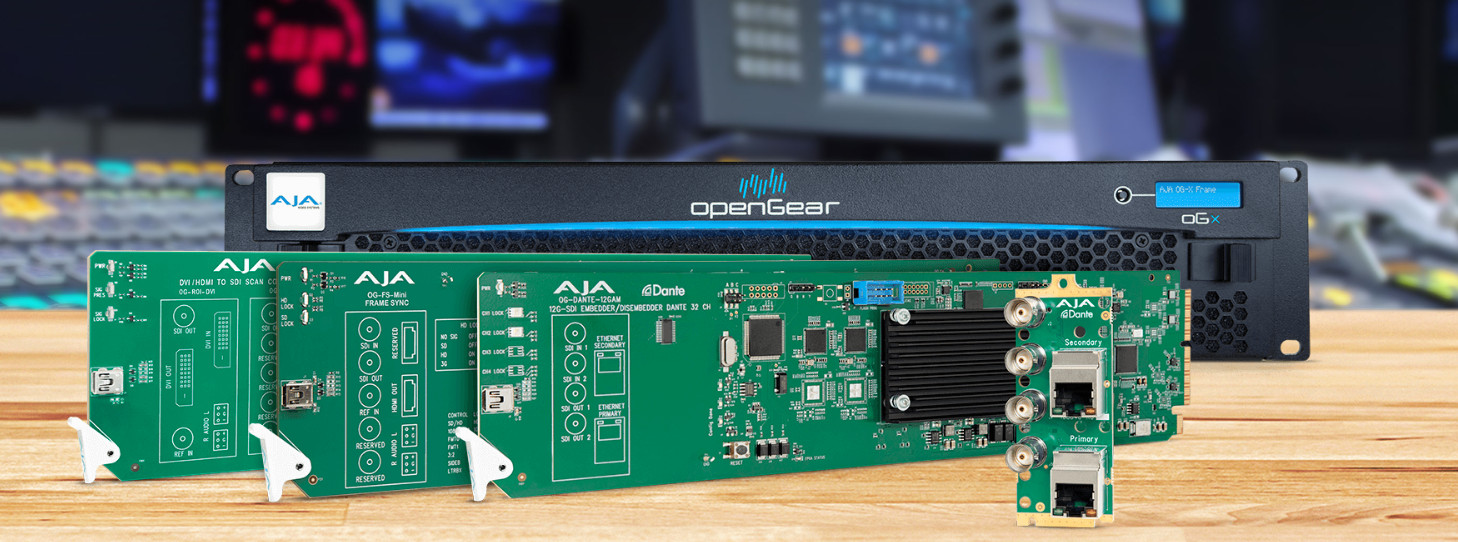
AJA Video Systems offers professional openGear cards for a diverse range of broadcast, production and post-production applications.
AJA’s openGear portfolio includes solutions for:
- Colour management
- Dante audio embedding and de-embedding
- SDI and HDMI conversion
- Scan conversion
- Fibre conversion and transport
- Video scaling
- Distribution and synchronization
AJA openGear cards are compatible with DashBoard software, allowing users to configure and control cards through the platform’s centralized management interface. This combination of proven AJA signal-processing technology and openGear compatibility makes the cards suitable for facilities that require dependable, high-quality conversion and infrastructure tools.
Decimator Design openGear Solutions
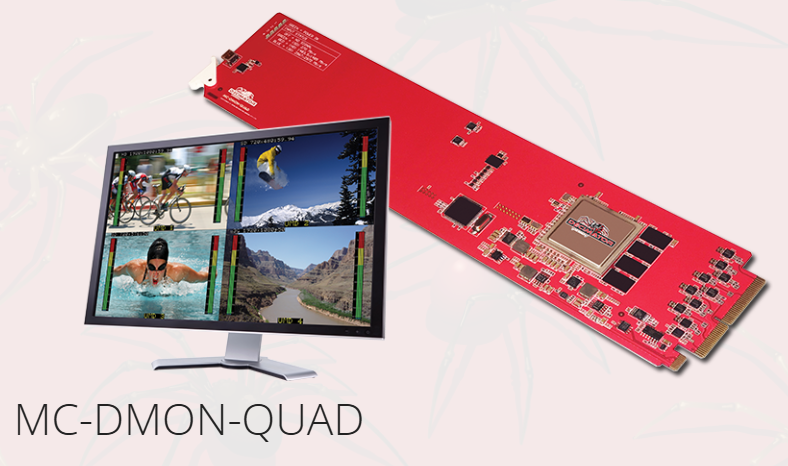
Decimator Design offers openGear cards focused on practical signal conversion and monitoring applications.
Its openGear lineup includes multiviewer and conversion solutions designed to bring the functionality associated with Decimator’s compact production tools into a centralized rack-frame environment. Available options include cards for multiviewing, scaling, format conversion and SDI signal management.
Decimator openGear products can be a practical option for mobile production, live events, broadcast facilities and other workflows that require flexible signal monitoring and conversion within a compact infrastructure.
Where is openGear Infrastructure Used?
openGear infrastructure can be used anywhere professional video and audio signals need to be converted, processed, distributed, monitored or transported.
Common environments include television stations, broadcast control rooms, production studios, outside broadcast trucks, post-production facilities, sports venues, houses of worship, educational institutions, corporate media departments and live event production systems.
A smaller facility may begin with a frame containing only a few essential conversion or distribution cards. A larger broadcaster may deploy multiple frames across master control, ingest, playout, monitoring and transmission workflows.
Why Canadian Broadcasters and Production Teams Trust VidCom
Selecting openGear products is only one part of building dependable broadcast infrastructure. Each card must work effectively with the facility’s cameras, routing, monitoring, audio, storage, network and production systems.
VidCom does more than supply broadcast and professional video equipment. We design complete workflows around each customer’s operational requirements, existing technology, future plans and available budget.
With more than 40 years of experience in the Canadian broadcast and professional video market, VidCom understands the demands placed on mission-critical production infrastructure. Our vendor-neutral approach allows us to recommend products based on their suitability for the workflow rather than limiting customers to a single manufacturer.
Our team can assist with:
- – Workflow consultation and system design
- – Frame and card selection
- – Compatibility planning
- – Rack and infrastructure design
- – System integration and configuration
- – Expansion and upgrade planning
- – Product demonstrations and technical support
Whether you are upgrading an existing broadcast facility, expanding a production studio or building a new post-production workflow, VidCom can help create an openGear infrastructure solution that delivers the performance, flexibility and reliability you need.
Contact VidCom today to discuss openGear infrastructure for your broadcast, production or post-production workflow.
Frequently Asked Questions About openGear Infrastructure
What is an openGear frame?
An openGear frame is a rack-mounted chassis that houses compatible modular signal-processing cards. The frame provides shared power, cooling, connectivity and management, allowing multiple video and audio functions to be consolidated within one system.
What is an openGear card?
An openGear card is a modular device installed inside an openGear-compatible frame. Depending on the model, a card may perform signal conversion, distribution, synchronization, audio processing, fibre transport, monitoring, encoding or another infrastructure function.
Can openGear cards from different manufacturers operate in the same frame?
Yes. One of the principal advantages of the openGear platform is its open architecture. Certified cards from different openGear manufacturing partners can be installed in compatible frames, although card, rear-module, frame-capacity and power requirements should always be confirmed during system design.
What is DashBoard software?
DashBoard is Ross Video’s unified control and monitoring software for openGear and other compatible production technologies. It allows technical teams to configure equipment, monitor its status and create customized control interfaces.
Is openGear suitable for 4K and 12G-SDI workflows?
Yes. openGear manufacturers offer frames and cards that support UHD, 4K and 12G-SDI workflows. The exact capabilities depend on the selected frame, card and rear-module configuration.
Can openGear support IP and remote production?
Yes. Available openGear cards can support IP encoding and decoding, streaming, network transport and remote-production applications. openGear can also form part of a hybrid infrastructure that combines traditional SDI, fibre and IP technologies.
Is openGear only used by television broadcasters?
No. Although openGear is widely used in broadcasting, it is also suitable for production studios, post-production facilities, live events, sports venues, corporate video, education, houses of worship and other professional media environments.
How do I choose the right openGear cards?
The correct combination depends on your signal formats, sources and destinations, processing requirements, redundancy needs, rack capacity, control environment and plans for future expansion. VidCom can assess your workflow and recommend a compatible frame, card and rear-module configuration.